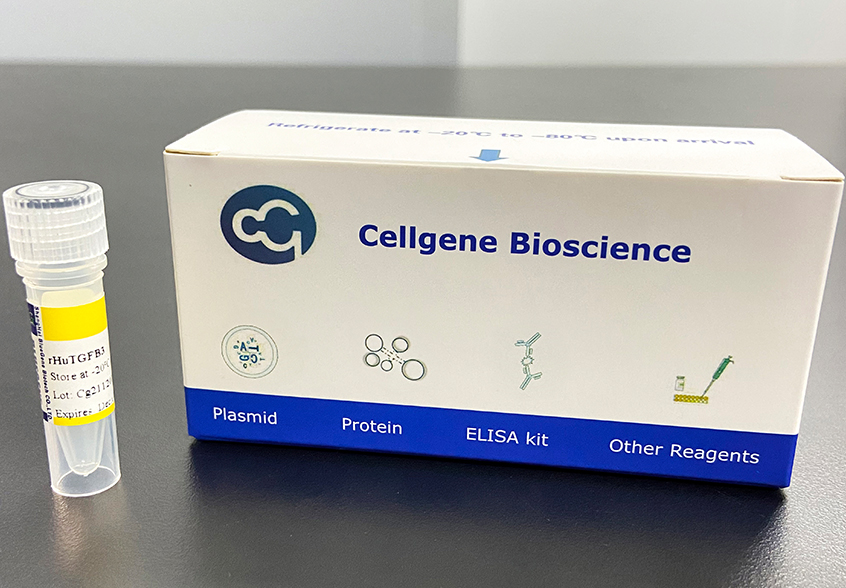
Interleukin 11 (IL-11) can also be called AGIF; IL-11.
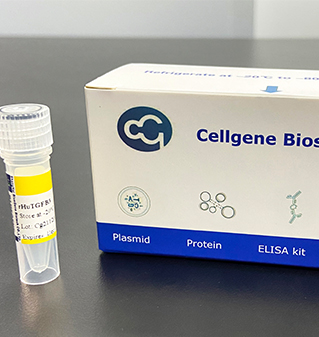
Specifications of P01I0352P-T1 Human Interleukin 11 (IL-11) Protein, Recombinant
| Product Information | |
catalog number | P01I0352P-T1 |
Package Size | 10ug/50ug/500ug/1mg |
Other Names | AGIF; IL-11 |
Protein & NCBI Number | M57765, P20809 |
Host | E.coli |
Express Region | Pro22-Leu199 |
Protein Sequence | MGSSHMASMSDSEVNQEAKPEVKPEVKPETHINLKVSDGSSEIFFKIKKTTPLRRLMEAFAKRQGKEMDSLRFLYDGIRIQAD |
Molecular Weight | The protein molecule consists of 291 amino acids (including the fusion tag), with a predicted molecular weight of 32.13kDa and an actual molecular weight of 35kDa |
Fusion Tag | SUMO (N-terminus), 6×His (C-terminus) |
Purity | ≥95% SDS-PAGE |
Physical Property | Liquid |
Components | 0.01M PBS+20% glycerol, sterile solution |
Storage & Stability | After aliquoting, the stability of the samples can be maintained for up to 6 |
Applications | Antibody preparation, immunoassay (ELISA, WB), subcellular localization and |
Lead Time | 5 to 10 business days; 2 to 3 days for stock products |
Background |
Interleukin-11 (IL-11) is a growth factor that stimulates the proliferation and differentiation of hematopoietic stem cells, leading to the production of multiple blood cell lineages, including erythrocytes, granulocytes, and platelets. IL-11 is pro-inflammatory and can induce the production of other cytokines (such as IL-6, IL-8, and GM-CSF), which recruit immune cells to the site of inflammation. IL-11 enhances the activity of immune cells (including T cells, B cells, and macrophages) and promotes the production of antibodies. IL-11 inhibits the activity of osteoclasts, which are responsible for bone resorption, and promotes the differentiation of osteoblasts, which are responsible for bone formation. IL-11 facilitates the differentiation of pre-adipocytes into mature adipocytes, which may contribute to obesity and insulin resistance. IL-11 has been implicated in the progression of various cancers, including multiple myeloma, Hodgkin's lymphoma, and breast cancer, by promoting the growth, survival, and angiogenesis of tumor cells. IL-11 may also promote the development of fibrotic diseases, such as pulmonary fibrosis and liver fibrosis, by enhancing the activation of fibroblasts and the deposition of extracellular matrix. IL-11 has shown neuroprotective effects in certain contexts, including ischemic stroke and neurodegenerative diseases, by diminishing inflammation and enhancing neuronal survival. IL-11 is involved in the regulation of reproductive processes, including implantation, placental formation, and parturition. |
Related Products of Human Interleukin 11 (IL-11) Protein, Recombinant
P01I0010P Human Interleukin 1β (IL1β) Protein, Recombinant
P01I0010P-T2 Human Interleukin 1β (IL1β) Protein, Recombinant
P01I0007P-T2 Human Interleukin 4 (IL4) Protein, Recombinant
P01I0006P-T2 Human Interleukin 6 (IL6) Protein, Recombinant
P01I0006P Human Interleukin 6 (IL6) Protein, Recombinant
P01I0056P-T2 Human Interleukin 8 (IL8) Protein, Recombinant
P01I0023P-T2 Human Interleukin 10 (IL10) Protein, Recombinant
P01I0308P-T2 Human Interleukin 2 (IL2) Protein, Recombinant
P01I0357P-T1 Human Interleukin 15 (IL15) Protein, Recombinant
P01I0310P-T1 Human Interleukin 18 (IL18) Protein, Recombinant
P01I0383P-T2 Human Interleukin 3 (IL3) Protein, Recombinant
P03I0308P-T3 Mouse Interleukin 2 (IL2) Protein, Recombinant
P01I0308P Human Interleukin 2 (IL2) Protein, Recombinant
P03I0308P-T1 Mouse Interleukin 2 (IL2) Protein, Recombinant