- Host Cell Protein Detection Kits
-
Bioprocess lmpurity ELISA Kits
- Human Immunoglobulin G (IgG) ELISA Kit
- Bovine Serum Albumin (BSA) ELISA Kit
- Human Serum Albumin (HSA) ELISA Kit
- Goat Immunoglobulin G (IgG) ELISA Kit
- Dextran Sulfate Salt Detection Kit (Spectrophotometric Method-200 Tests)
- Protein L (PL) ELISA Kit
- Kanamycin (KA) ELISA Kit
- Human Immunoglobulin A (IgA) ELISA Kit
- Human Immunoglobulin M (IgM) ELISA Kit
- Mouse Immunoglobulin G (IgG) ELISA kit
- Bovine Immunoglobulin G (IgG) ELISA kit
- Protein A (PA) ELISA kit-Boiling
- Protein A (PA) ELISA Kit
- Diluent Buffer for Protein L ELISA kit
- Host Cell DNA Residue Detection Kits
- Residual Total RNA Detection Kits (qRT-PCR)
- Antibodies
- Recombinant Proteins
- ELISA Kits
- Cellular Component Protein Library
- Plasmids
- Promotions
-
High-Performance Human VEGF ELISA Kits for Reliable Results
Through the efforts of our R&D team, VEGF ELISA kit has been launched to market.For more information, please send us an email. Our technical team will be pleased to provide comprehensive support. ...
Nov.11, 2025Read More > -
Ogataea polymorpha HCP ELISA
Ogataea polymorpha, together with Pichia pastoris and Saccharomyces cerevisiae, represents one of the three major yeast lineages, yet it shows markedly different cross-reactivity profiles. For certain...
Oct.16, 2025Read More > -
E.coli Residual Total RNA Detection Kit (qRT-PCR)–Significance and Regulatory Context
Significance of E. coli Residual Total RNA DetectionExogenous host cell nucleic acid contamination is a critical concern in biologics. DNA is the primary contaminant with potential theoretical risks (...
Sep.19, 2025Read More >
Antibodies Production
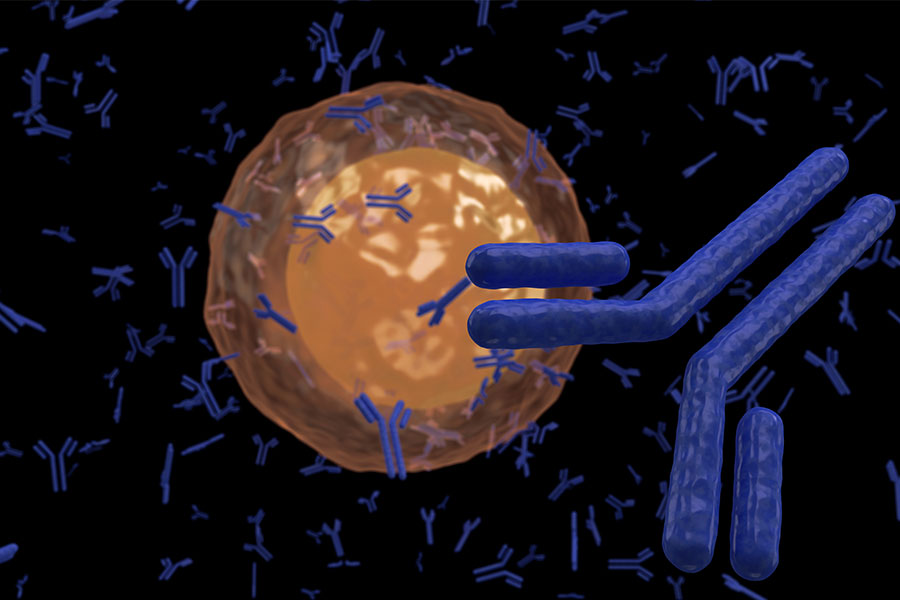
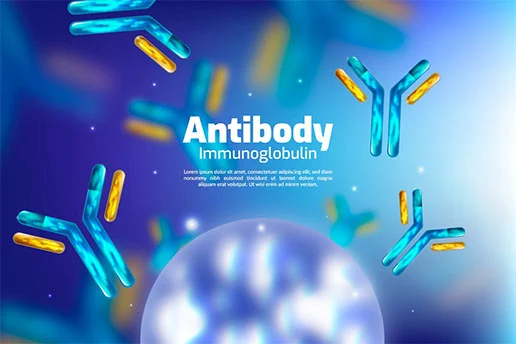
Antibodies can be classified into lectins, precipitins, antitoxins, lysins, opsonins, neutralizing antibodies, and complement-fixing antibodies according to their reaction forms. After the foreign antigen enters the body, it activates B cells and produces specific antibodies against it. Small B cell lymphoma would undergo Mitotic proliferation and transformation when first exposed to known antigens.
When an antigen enters the body for the first time, It will stimulate little specific cell clones to proliferate and reach a sufficient number of responding cells, which is called the primary response. . When the same antigen enters the body again, the original antibody binds to the antigen, the antibody titer increases rapidly. Memory B cells are activated, which is called the secondary response or anamnestic response.