Host Cell Protein Assay Platform: How Much Process-Specific Consideration Does IND/BLA Filing Require?
In the manufacture of monoclonal and polyclonal antibody therapeutics, residual impurities derived from cell culture media, growth supplements, antibiotics, and process-related reagents must be clearly characterized in regulatory filings to ensure product quality and clinical data consistency.
Drug substance and manufacturing process are two independent variables, and the host cell protein (HCP) profiles in culture supernatants often differ substantially from those in final purified products. Under the ICH Q6B guideline, a comprehensive assessment of HCP content and associated risks is a prerequisite for clinical trial authorization. The HCP ELISA kit is therefore a critical enabling tool in this context. Cygnus Technologies has accumulated over 30 years of data. Its off-the-shelf, universal HCP ELISA kits cover a broad range of product types and remain a robust first-line choice. However, as both manufacturing processes and analytical technologies continue to evolve, the residual HCP has shifted significantly. Regulatory agencies are increasingly directing attention toward process-specific HCP species - such as apoptotic factors, lipases, and tumorigenic growth factors.
Below are six key considerations for evaluating process-specific HCP strategies in IND/BLA submissions.
I. International Gold Standard – Cygnus as the Benchmark
China's innovative drug development has gained remarkable momentum in recent years, and our progress in global regulatory filings is evident. That said, we believe that domestic quality standards should not be made a fresh start, detached from internationally established frameworks.
Our position is grounded in years of industry research and systematic post-hoc analyses of clinical trial failures. While China's biologics innovation capability is globally competitive, imposing a rigid, domestically isolated standardization regime would risk a "square peg in a round hole" outcome—forcing innovative products to conform to local yardsticks that may not align with global expectations, and ultimately stifling the very ingenuity that drives the industry forward.
For innovative biopharma companies, robust drug safety monitoring requires more than compliance checklists. It demands deep, product specific expertise, agile process responsiveness, and a portfolio strategy that balances focus with diversification across multiple modalitie
Cellgene | Cygnus | |||||||||
CM | Lysate | Species | Category | Species | CM | Lysate | ||||
One step | Two step | One step | Two step | One step | Two step | One step | Two step | |||
√ | √ | √ | √ | Hamster:CHO | Mammalian | Hamster: CHO | √ | --√ | √√ | √-- |
Hamster: SP2/0 | √ | √-- | --√ | --√ | ||||||
Hamste: PG13 | √ | √-- | --√ | --√ | ||||||
Hamster: NS/0 | √ | √-- | --√ | --√ | ||||||
Hamster: BHK | √ | √-- | --√ | --√ | ||||||
Canine: MDCK | √ | √-- | --√ | --√ | ||||||
√ | √ | √ | √ | Human:293 | Human: 293 | √ | √-- | --√ | --√ | |
Human: CAP | √ | √-- | --√ | --√ | ||||||
Human: Hela | √ | √-- | --√ | --√ | ||||||
Human: A549 | √ | √-- | --√ | --√ | ||||||
Human: MRC5 | √ | √-- | --√ | --√ | ||||||
Human: Per.C6 | √ | √-- | --√ | --√ | ||||||
√ | √ | √ | √ | Monker: Vero | Monkey: Vero | √ | √-- | -- | -- | |
-- | -- | √ | √ | E. Coli 3S | Prokaryotic | E. Coli 6S | -- | -- | √ | --√ |
-- | -- | √ | √ | E. Coli 6S | P.fluorescens | -- | -- | √ | --√ | |
-- | -- | √ | √ | BL21 | BL21 | -- | -- | √ | --√ | |
-- | -- | √ | √ | DH5α | S.aureus | -- | -- | √ | --√ | |
-- | -- | √ | √ | K12 | L.lactis | -- | -- | √ | --√ | |
-- | -- | √ | √ | P. Pastoris X-33 | Fungal | P. Pastoris | -- | -- | √ | --√ |
-- | -- | √ | √ | P. Pastoris GS115 | Filamentous fungus C1 | -- | -- | √ | --√ | |
-- | -- | √ | √ | S. cerevisiae | S. cerevisiae | -- | -- | √ | --√ | |
-- | -- | √ | √ | O.polymorpha | O.polymorpha | -- | -- | --√ | --√ | |
√ | √ | √ | √ | Sf9 | Insect
| Sf9 | √ | √-- | -- | -- |
√ | √ | √ | √ | High-5 | High-5 | √ | -- | √ | √ | |
√ | √ | -- | -- | Bovine plasma | Transgenic | Bovine plasma | √ | -- | -- | -- |
Goat milk | √ | -- | -- | -- | ||||||
Table 1
II. Focus
For CGT (Cell and Gene Therapy) and antibody-based innovative drugs, the primary safety monitoring encompasses microbial detection, endotoxin testing, and host cell impurity assays. Among these, microbial detection accounts for the largest market share; however, host cell impurities are one of the core root causes of clinical failure in biologics development. Host cell impurities are primarily categorized into host cell proteins (HCPs) and host cell nucleic acids (HCD and HCR).
Cellgene Bioscience is strategically focused on the most technically challenging domain - host cell protein (HCP) detection. To date, Cellgene Bioscience has developed HCP assay products covering five major categories: prokaryotic, eukaryotic, yeast, insect, and transgenic systems. These are further subdivided into 15 series, comprising a total of 40 products, of which 32 are currently commercially available (see table 1).
The complexity underlying HCP preparation arises from three key factors:
1. Host cell proteins exhibit fundamentally different physicochemical properties and heterogeneous profiles depending on the drug product and purification modality employed. This heterogeneity renders HCPs significantly more complex than host cell DNA and RNA impurities, which are characterized by molecular weights in the range of 100 - 2,000 bp and possess highly conserved physicochemical properties, charge profiles, and fragment residue characteristics. (See Figure 1: the left panel illustrates the three-dimensional structural complexity of HCPs; the right panel depicts a schematic of HCD development.)

Figure 1
2. Host cell protein (HCP) preparation involves a multi-step workflow: supernatant collection, antigen concentration, animal immunization, serum collection, antibody purification and labeling, antibody coverage verification, ELISA assay development, and buffer optimization for different sample matrices. Under favorable conditions, the preparation cycle is approximately 6–9 months; under adverse conditions, it may extend to 12–18 months. This is considerably longer than the 1-2 month preparation cycle for HCD/HCR, which typically involves high-throughput sequencing, target selection, primer design, and qPCR assay optimization (see Figure 2 below).
.webp "host-cell-protein-assay-platform (2).png")
Figure 2
3. Host cell proteins are extremely heterogeneous. The molecular species encompass 10³-10⁴ distinct entities, with isoelectric points (pI) ranging from 3 to 11 and molecular weights ranging from 5 to 400kDa. Post-translational modifications—including acetylation, methylation, phosphorylation, and glycosylation—further confer significant variations in isoelectric point and hydrophobicity among otherwise identical proteins, even without accounting for expression variations introduced by different fermentation processes. Moreover, even when using identical fermentation and purification processes, the residual HCP profile can vary considerably between runs. This inherent variability is precisely the reason why regulatory authorities require assay qualification for each individual process, even when the manufacturing process remains nominally unchanged。
4. While Cygnus has demonstrated broad sample applicability and strong representativeness across diverse biologics, it is important to acknowledge that HCP profiles are not necessarily synchronized across different drug products—even when the same purification process is employed—and the residual HCP species can vary substantially. This is a common challenge encountered by many biopharmaceutical companies during HCP testing. Although the most widely used CHO expression system has been relatively well characterized, the functional roles of many high-risk HCP isoforms remain poorly understood, and their potential side effects during clinical stages continue to carry uncertainty.
5. Regarding residual activity risks of host cell proteins, high-risk HCPs with immunogenic or biologically active properties should be identified and subjected to individual control strategies. In contrast, host cell DNA (HCD) requires only control of total residual amount and fragment size; there is no need to individually control specific DNA sequences. This is because the primary risk associated with HCD is oncogenic integration, which remains adequately controlled as long as the total residual amount is below the regulatory limit and fragment sizes meet established requirements.
III. Professional Expertise
1. Regulatory Compliance & Quality Systems
Reference Standard Calibration: Standardization against national reference standards with full traceability (see Figure 4).
Raw Material Stability: Antibody storage validated for long-term stability, with documented preservation at –20°C for up to 20 years.
Manufacturing Standards: Production carried out in compliance with ISO 13485:2016 (Medical devices – Quality management systems), with certification from the CNAS (China National Accreditation Service for Conformity Assessment) as a third-party accredited testing platform (see Figure 3).
Inspection Support: Full support for regulatory inspections, including access to raw electronic experimental records and on-site facility audits.
.webp "host-cell-protein-assay-platform (3).png")
Figure 3
.webp "host-cell-protein-assay-platform (4).png")
Figure 4
2. Regulatory Compliance & Quality Systems
The complete HCP antibody development workflow encompasses: HCP collection and processing, animal immunization, blood collection, antibody purification, coverage verification, kit assembly and assay optimization, followed by matrix-specific adaptation for drug product sample testing. To date, Cellgene Bioscience has successfully completed this entire workflow to generate HCP assay products covering the five major categories, 15 series, and 40 HCP products across the species/expression systems described in Section II. Both the HCP product development platform and the associated testing systems have undergone multiple rounds of validation (see Figures 5 and 6).
.webp "host-cell-protein-assay-platform (5).png")
Figure 5
.webp "host-cell-protein-assay-platform (6).png")
Figure 6
3. Professional Expertise in Coverage Assessment
At present, the industry has relatively well-characterized high-risk factor profiles for CHO-derived HCPs, with substantial reference data available. However, beyond CHO, there is an increasing need for HCP risk analysis across other expression systems, including E. coli, P. pastoris, S. cerevisiae, H. polymorpha, and various insect cell lines. The coverage assessment workflow involves multiple experimental steps, including sample pretreatment, IEF (isoelectric focusing), 2D electrophoresis, and silver staining or fluorescence labeling—each comprising a diverse array of assay procedures. Achieving consistent and reliable RMSD (relative migration spot distribution) data typically requires a dedicated team of experienced, specialized technical personnel working within a robust and stable platform.
Table 2
Process-Specific Key Criteria | Experts | Graduate-level technical staff | Core project staff with ≥5 years of stability | Comparable commercial products available | In-house developed experimental workflows | Drugs in clinical submission | Total HCP coverage | High-risk factor coverage |
Requirement | ≥2 | ≥5 | ≥5 | Yes | Yes | Yes | ≥80% | ≥95% |
.webp "host-cell-protein-assay-platform (7).png")
Figure 7
4. In-Depth HCP Research Capabilities
From HCP functionality and species characterization to the exploration of in vitro and in vivo risk assessment systems, our research extends across the full spectrum.
It is important to note that what is broadly referred to as "HCP" is not purely proteinaceous—it also contains substantial amounts of nucleic acids, carbohydrates, exosomes, and other impurities. Cellgene Bioscience has systematically validated all these components, completing a comprehensive characterization of "HCP" constituents. For further details, please refer to Cellgene Bioscience's published paper: "Proteomic Analysis of CHO-K1 Cell Culture Supernatant and Its Exosomes."
In addition, Cellgene Bioscience has accumulated extensive in vivo toxicology data, including assessments of liver and kidney function, hematological parameters, and potential adverse effects in humans. These data provide a foundational reference to support subsequent clinical trial investigations (see Figure 8).
.webp "host-cell-protein-assay-platform (8).png")
Figure 8
IV. Team & Brand Strength
Cygnus Technologies is widely recognized as an industry benchmark, benefiting not only from its first-mover advantage but also from the long-term stability of its core team.
In comparison with Cygnus, Cellgene Bioscience offers the following distinct brand advantages (see Figure 9):
1) Zhangjiang Brand Heritage (2016–2026):
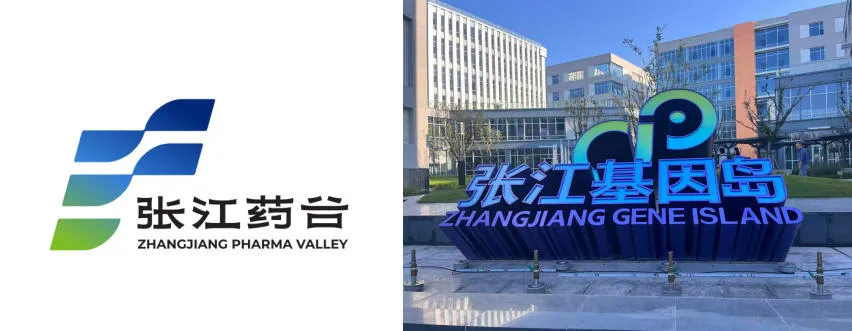
Cellgene Bioscience was incubated in the Zhangjiang ecosystem—from Zhangjiang Pharma Valley to Zhangjiang Medical Valley, and now to the Zhangjiang Gene Island, with strong support from Pudong Life Science Development Co., Ltd. Cellgene has grown into a specialty supply-chain enterprise with distinctive competencies, nurtured under the Zhangjiang Group incubation framework.
In early 2026, the Pudong New Area Government convened a closed-door forum - "Gathering in Zhangjiang · Dialoguing on Pharma Valley · Shaping the Future Together - 2026 Zhangjiang Pharma Valley Industry Development Closed-Door Exchange Meeting" - featuring direct government-enterprise dialogue on the industry's future direction. Cellgene Bioscience was invited and actively engaged. Subsequently, Zhangjiang Pharma Valley nominated and recommended Cellgene in feature articles: "Pharma Valley Rising Star|The 'Hidden Champion' of Domestic Substitution: Cellgene Bioscience Accelerates the Reshaping of the Biologics Safety Testing Industry Landscape" and "Deepening Industrial Collaboration, Exploring the New Future of Life Sciences - Warm Welcome to the Leadership Delegation of Pudong Life Science Industry Company Visiting Cellgene Bioscience."
From team assembly, to R&D infrastructure and software resources, to product commercialization and policy support, every step of Cellgene's growth bears the unmistakable imprint of Zhangjiang.
2) Expert Leadership:
Cellgene Bioscience is backed by a strong team of research scientists and innovative drug market experts, with deep expertise spanning biopharmaceuticals, proteomics, immunology, tissue regenerative medicine, biosensors, and related fields. Collectively, the team has published 70+ SCI-indexed papers and holds 20+ core patents.
3) Technical Core Team:
Technical breakthroughs require not only sound strategy but also sustained long-term commitment—and above all, the cumulative resolution of day-to-day technical challenges. From antigen enrichment, to antibody development and characterization, to the final establishment of the ELISA technology platform, 70% of our technical core staff have been with Cellgene for 5+ years, and ≥30% have 10+ years of tenure—forming a highly cohesive and collaborative team.
4) Company Culture:
Technical excellence requires stable, skilled personnel; talent development demands continuous mentoring, intellectual stimulation, and hands-on experience. We empower our frontline teams with autonomy from end to end, encourage active debate and brainstorming, and foster a culture of tolerance for trial and error—cultivated with patience and support from our founders. Cellgene Bioscience is committed not only to business growth but also to shared success and win-win outcomes for all team members.
.webp "host-cell-protein-assay-platform (9).png")
Figure 9
V. Distinction Between Custom (Process-Specific) and Off-the-Shelf (Universal) HCP Assays
Based on our customization experience, universal HCP ELISA kits typically detect 2,000+ HCP species in most final drug product samples (including 50–80 high-risk HCP proteins), whereas process-specific HCP antibodies can detect 4,000+ HCP species and generally achieve 100% coverage of high-risk HCP species.
See Figure 11: Yellow = high-risk HCPs; White = detectable by universal HCP kits; Green = detectable by process-specific HCP kits.
In addition, there is usually a significant difference in detected concentration levels between the two assay formats (with the exception of certain special process drugs).
See Figure 10: Two drug product final samples (DS1: Blue; DS2: Green). Com = Commercial (universal) kit; PS = Process-Specific kit.
As shown, process-specific HCP ELISA yields 4- to 5-fold higher detected concentrations compared to universal kits (Note: coverage validation results are presented in Figure 11).
In general, industry research on high-risk HCPs has primarily focused on the CHO expression system, with relatively robust literature support available. Cellgene Bioscience has also generated proprietary high-risk HCP data for yeast systems (P. pastoris / S. cerevisiae / H. polymorpha), E. coli, and insect cell lines—providing critical risk assessment support for innovative drugs derived from alternative expression systems.
.webp "host-cell-protein-assay-platform (10).png")
Figure 10
.webp "host-cell-protein-assay-platform (11).png")
Figure 11
VI. Client-Centered Engagement: Problem-Driven Approach
Process-specific HCP customization, when conducted in alignment with international standards, is evaluated based on three core criteria: preparation success rate, underlying technical support, and diversity of solutions available for addressing current challenges.
In less than two years of active promotion, Cellgene Bioscience has:
Assisted clients with 50+ antibody enrichment campaigns
Performed 300+ sample tests
Resolved 30+ challenging sample issues that were unsolvable by external providers
These achievements have garnered broad recognition across the biopharmaceutical industry.
Our HCP products have now been incorporated into the regulatory submission pipelines of leading Chinese innovative drug companies - covering recombinant protein drugs, vaccines, and CAR-T therapeutics. Notably, our HCP assays for P. pastoris, H. polymorpha, and High-5 cell lines represent the only effective domestic alternatives to Cygnus products currently available in China.
To date, we have successfully launched 40 HCP assay products across 15 series, accompanied by a comprehensive portfolio of technical services—including ELISA kit optimization and troubleshooting, coverage analysis, and more. Our products have supported multiple drug candidates in advancing to clinical trials and market approval.
Excluding the transient growth bubble during the pandemic period, Cellgene Bioscience remains steadfastly rooted in the quality control niche. We closely align with NMPA regulatory objectives and continuously calibrate our detection technologies in step with the evolving development stage of China's biopharmaceutical industry—ensuring adaptation to domestic conditions and avoiding abrupt regulatory changes that would impose undue cost burdens on drug developers.
Cellgene Bioscience is and will always be problem-driven and solution-oriented. We walk side by side with our pharmaceutical clients, taking steady, pragmatic steps forward—committed to being small in scope, yet exceptional in quality, on the track of quality control.
Link: